How Real-Time GPS Tracking Is Transforming Indigenous Community Safety
Introduction
Across North America, Indigenous families are combining technology and tradition to protect their loved ones. Echoes of Silence stands with these communities, delivering MMIW/MMIP solutions designed for sovereignty, resilience, and justice. This blog explores how real-time GPS tracking, when developed as tribal safety technology, becomes a vital tool. We examine five essential pillars, from bridging remote terrain to advanced security features, revealing why emergency response Indigenous partners prefer community-centered solutions.
Bridging Distances With Culturally Informed GPS Technology
Many reservations are located hours away from emergency call centers. Unpredictable weather can wash out roads, and patchy cell coverage creates “dead zones.” These physical barriers, coupled with jurisdictional confusion and historical trauma, make Indigenous community safety especially challenging.
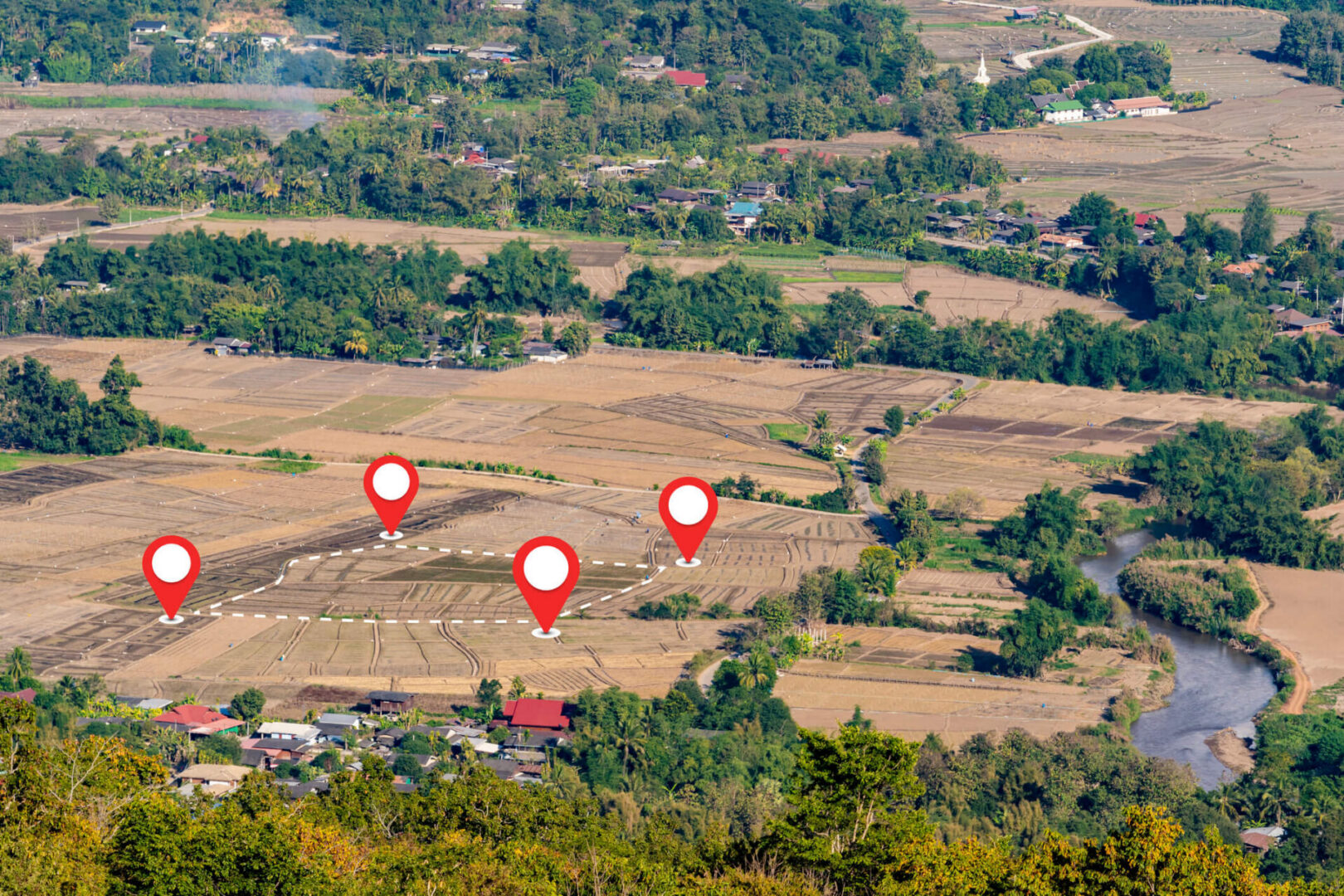
Real-time GPS tracking, designed with tribal input, shortens these distances instantly. For example, a parent in Navajo Country can use the Reviving Indigenous Voices (RIV) app to view a child’s live location even when the school bus travels across remote canyons. In Alaska’s Yukon-Kuskokwim Delta, family members can share exact coordinates via satellite communication, guiding search teams if a boat is delayed.
Key features include language options such as English, Navajo, and Lakota; privacy settings to control data sharing within families or with tribal law enforcement; and community-driven safety protocols that respect tribal governance. Unlike generic apps, these solutions are built with tribal stakeholder input, ensuring real-time GPS tracking is trusted, not imposed.
Empowering Communities With Proactive Safety Tools
Rapid response can mean the difference between life and death. Waiting until someone is missing is not enough. Echoes of Silence enhances safety with proactive features:
- Missing persons alerts enable caregivers to notify family, neighbors, and regional dispatch with a single tap.
- Geofencing defines safe zones around key locations, triggering automatic check-ins when boundaries are crossed.
- AI risk detection monitors movement patterns and flags unusual activity, like unexpected stops on known trafficking routes.
For example, if a teenager does not return home by sundown, an exit notice from a geofence alerts family. The real-time location is checked, and notifications are sent to relatives and tribal police, enabling volunteers to coordinate a search within minutes.
Additional best practices include organizing family groups with multiple admin users, updating emergency contacts, applying geofencing for children’s school routes and elders’ medical visits, and practicing the SOS feature during community safety events.
These tools empower Indigenous communities to control their own safety responses and data, reinforcing self-determination while leveraging tribal safety technology.
Strengthening Emergency Response and Evidence Management
A single app is insufficient; integration with broader systems is essential. RIV aligns with FEMA NIMS compliance, enabling tribal emergency managers to export incident data directly to statewide platforms, streamlining coordination when federal resources are needed.
Secure evidence management provides critical protection:
- Encrypted photo and video vaults with timestamps, GPS coordinates, and chain-of-custody logs
- Auto-generated PDF incident reports for investigators, prosecutors, or advocacy groups
- Controlled access so only authorized users can view sensitive files
Digital equity challenges remain. Some families share a single cell phone or lose service beyond the tree line. Echoes of Silence addresses this by partnering with satellite providers and offering micro-grant devices, ensuring equal access for emergency response Indigenous users.
A comparison of features reveals that Echoes of Silence RIV offers FEMA/NIMS alignment, an end-to-end encrypted vault, readiness for tribal, state, and federal coordination, and cultural governance built with an Indigenous advisory board—features absent from standard safety apps.
Comprehensive design and secure evidence management enable faster rescues and stronger legal outcomes, advancing MMIW/MMIP solutions beyond standard tools.
Advocacy, Digital Equity, and Indigenous Empowerment
Technology alone cannot resolve crises rooted in deeper issues. RIV serves as a platform for MMIW/MMIP advocacy, offering survivors and families secure ways to share case files, timelines, and organize outreach. Push notifications keep supporters informed about marches and policy hearings.
Persistent barriers include rural broadband gaps, limited training for elders new to smartphones, and concerns over data misuse due to past experiences.
Strategies to overcome these challenges:
- Host digital literacy workshops at local centers using Echoes of Silence’s curricula
- Advocate for broadband grants managed by tribal councils, supporting digital equity and Indigenous goals.
- Participate in app beta groups to ensure features reflect lived realities
- Insist on Indigenous data sovereignty through user-owned data agreements with third-party tools
By connecting advocacy networks and community-driven safety, tribes reclaim both physical and narrative space, transforming real-time GPS tracking into a catalyst for systemic change.
Premium Offerings and the Path Forward for Community Safety
Echoes of Silence’s premium suite elevates tribal safety technology through distinct features:
- Reviving Indigenous Voices (core app): Combines real-time GPS tracking, SOS, and geofencing; co-developed with over 30 tribal partners.
- AI predictive analytics: Identifies trafficking corridors and time-based risks; processes on-device for privacy.
- Echo Alert notifications: Broadcasts MMIW/MMIP bulletins across devices; patent-pending rapid distribution.
- Secure evidence management: Stores media in zero-knowledge vaults; meets courtroom chain-of-custody requirements.
For effective implementation, begin with a community audit of coverage, training, and contacts; pilot the app with youth councils or elder committees; align with existing emergency response Indigenous protocols; and develop memorandums of understanding for smooth data exchange between tribal and county agencies.
When evaluating solutions, consider cultural alignment (quarterly Indigenous advisory board reviews), transparency (governance reports posted online), and flexibility (modular subscriptions for families, tribes, and nonprofits).
Transparent design empowers communities to select tools that honor tradition while advancing cutting-edge MMIW/MMIP solutions.
Uniting Technology and Tradition for Lasting Safety
Real-time GPS tracking, grounded in community wisdom, is revolutionizing Indigenous community safety. Culturally informed technology bridges remote distances, proactive alerts enable swift action, and encrypted evidence fortifies emergency response in Indigenous collaborations. Advocacy and digital equity efforts further strengthen these gains, while premium features advance tribal safety technology to new heights.
Progress is built on partnership. Whether a family protector, tribal leader, or ally, now is the time to engage with the RIV app, join a training, or contribute expertise. Together, we can ensure every Indigenous life is protected, and every disappearance receives prompt attention. Explore Reviving Indigenous Voices (RIV). [CTA]